
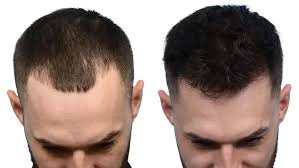
Hair Transplant Guide for Natural Results
A hair transplant can restore hair to areas affected by thinning and baldness, but achieving a natural-looking hair transplant result involves much more than simply moving hair follicles from one part of the scalp to another. The design of the hairline, selection of grafts, placement of follicles, donor-area management, surgical technique, and long-term hair-loss management all influence the final appearance.
A well-planned transplant should ideally blend with your existing hair and complement your facial features rather than look artificially dense or sharply defined. This guide explains the key factors that can contribute to natural-looking results and what patients should consider before and after the procedure.
What Makes a Hair Transplant Look Natural?
A natural hair transplant should not be easily distinguishable from your original hair. Several factors contribute to this appearance.
The hairline design is particularly important. A straight, low, or overly dense hairline can sometimes appear unnatural. A surgeon generally considers factors such as age, facial proportions, existing hairline, degree of hair loss, and future hair-loss patterns when designing the new hairline.
The direction and angle at which individual grafts are implanted also matter. Hair grows in different directions across different areas of the scalp, so reproducing these patterns can help the transplanted hair blend with surrounding hair.
Natural results also depend on using grafts appropriately. Single-hair follicular units are generally useful for creating the softer appearance needed around the frontal hairline, while multi-hair grafts can be used strategically behind the hairline to create density.
Choose the Right Hair Transplant Surgeon
The surgeon you choose can have a significant impact on the planning and execution of your procedure.
Look for a qualified medical professional with appropriate training and experience in hair restoration. During your consultation, ask about the surgeon’s experience, the techniques they perform, how they plan the hairline, and how they evaluate the donor area.
Do not select a clinic solely because it offers the lowest hair transplant cost. A cheaper procedure may not provide the same level of individualized planning or surgical expertise.
It can also be useful to ask to see appropriate before-and-after cases, particularly patients with a similar hair-loss pattern and hair characteristics.
Hairline Design Is Critical for Natural Results
The frontal hairline is one of the most visible aspects of a hair transplant. Creating an appropriate hairline requires balancing aesthetic considerations with the availability of donor hair.
An excessively low hairline may require a large number of grafts and may not be appropriate for someone who could experience further hair loss. Similarly, a perfectly straight hairline may not reproduce the irregularities commonly found in a natural hairline.
A well-designed hairline typically takes into account:
- Age and facial structure
- Current hair-loss pattern
- Donor-hair availability
- Hair thickness and texture
- Potential future hair loss
- The number of grafts available
The objective should be a hairline that looks appropriate not only immediately after the transplant but also as you age.
Understand Your Hair Loss Pattern
Before planning surgery, it is important to determine the cause and pattern of hair loss.
Male and female pattern hair loss are common causes, but hair loss can also result from nutritional deficiencies, hormonal changes, scalp conditions, medications, autoimmune disorders, and other medical factors.
A proper diagnosis helps determine whether a transplant is appropriate. A surgeon or dermatologist may evaluate the scalp, hair density, donor area, family history, and progression of hair loss before recommending treatment.
If active hair loss is continuing rapidly, stabilizing the condition may be considered before or alongside transplantation.
Assess the Donor Area Carefully
Hair transplantation relies on hair follicles from a donor area, usually located at the back or sides of the scalp. The available donor supply is limited.
A responsible treatment plan therefore considers not only how many grafts can be transplanted now but also how the donor area can be preserved for the future.
Overharvesting the donor area can result in visible thinning or an uneven appearance. A good treatment plan aims to use donor follicles strategically while maintaining an aesthetically acceptable donor area.
FUE and Other Hair Transplant Techniques
Follicular Unit Extraction (FUE) is a commonly used hair transplantation technique. Individual follicular units are extracted from the donor area and subsequently implanted into areas affected by hair loss.
Another established technique is Follicular Unit Transplantation (FUT), in which a strip of donor scalp is removed and divided into individual follicular units for transplantation.
Neither technique is automatically the best choice for every patient. The appropriate approach depends on factors such as donor characteristics, hair-loss pattern, previous procedures, scalp condition, and individual goals.
Your surgeon should explain why a particular technique is recommended rather than choosing a method based only on marketing claims.
Graft Placement Matters
Natural-looking results depend heavily on how grafts are distributed.
The surgeon must consider the transition between the hairline and the denser areas behind it. Placing too many multi-hair grafts directly at the front can create an unnatural appearance.
Grafts should also follow the natural direction and angle of surrounding hair. In areas such as the temples and frontal scalp, the orientation of hair can differ considerably from the crown.
Strategic placement helps create the visual impression of naturally growing hair rather than a uniform arrangement of transplanted follicles.
Density Is Not Everything
Many patients assume that maximum density automatically means the best result. This is not necessarily true.
A natural appearance depends on the combination of density, distribution, hair characteristics, and hairline design. Trying to achieve extremely high density in a single session may not always be appropriate, particularly when the donor supply is limited.
The surgeon may instead distribute grafts across important areas to create satisfactory overall coverage while preserving donor hair for potential future needs.
Hair Characteristics Affect the Final Appearance
Everyone’s hair behaves differently. Hair thickness, curl, colour, texture, and contrast between the hair and scalp can influence how dense a transplant appears.
For example, curly or wavy hair may provide greater visual coverage than straight, fine hair even when the number of transplanted grafts is similar.
Your surgeon should consider these characteristics when developing your treatment plan and setting expectations.
Set Realistic Expectations
A hair transplant can improve hair coverage, but it cannot necessarily recreate the density of your hair at a younger age.
The number of available donor follicles is finite, and the objective is usually to achieve the best possible cosmetic improvement within those limitations.
During consultation, discuss what you realistically want to achieve. Your surgeon should explain the expected graft requirement, possible limitations, treatment areas, and potential need for future procedures.
A realistic treatment plan is generally more valuable than an unrealistic promise of perfect density.
Be Patient During the Recovery Period
Hair transplant results develop gradually. Immediately after the procedure, the scalp may show redness, swelling, crusting, or other temporary changes.
The transplanted hair may also shed during the early months. This can be part of the normal hair-growth cycle following transplantation and does not necessarily mean that the procedure has failed.
New hair growth usually occurs gradually over several months. Many patients begin to notice meaningful changes during the first few months, while further thickening can continue for considerably longer.
The final result may take around 9–12 months or longer, depending on the individual.
Follow Post-Transplant Instructions
Proper aftercare is essential for protecting the transplanted area during the initial healing period.
Your clinic may provide instructions regarding:
- Washing the scalp
- Sleeping position
- Physical activity
- Sun exposure
- Hair products
- Medications
- Scratching or touching the scalp
- Follow-up appointments
Follow the specific instructions provided by your surgeon. Avoid applying unapproved products or using home remedies on a healing scalp.
Protect Your Existing Hair
A hair transplant moves follicles into areas affected by hair loss, but it does not necessarily stop future thinning of your original hair.
This distinction is important. Without appropriate long-term management, native hair surrounding the transplanted area may continue to thin, potentially affecting the overall appearance.
Depending on the cause and pattern of hair loss, your dermatologist or hair restoration specialist may recommend suitable medical treatments. These should be used only under professional guidance.
Managing ongoing hair loss can help preserve the balance between transplanted and existing hair.
Avoid Choosing a Clinic Based Only on Price
Hair transplant pricing can vary significantly depending on the number of grafts, technique, surgeon’s expertise, clinic location, facilities, and services included.
While hair transplant cost is an important consideration, it should not be the only deciding factor.
Before making a decision, consider:
- Surgeon’s qualifications and experience
- Quality of the consultation
- Individualized hairline planning
- Donor-area assessment
- Surgical technique
- Hygiene and safety standards
- Follow-up care
- Transparency about costs
- Realistic expectations
Be cautious about clinics that promise guaranteed results or exceptionally high density without first examining your scalp and donor area.
Questions to Ask Before Your Hair Transplant
A consultation is an opportunity to understand the procedure and determine whether it is appropriate for you.
Consider asking:
- What is causing my hair loss?
- Am I a suitable candidate for transplantation?
- How many grafts do I need?
- Which technique is recommended for me and why?
- How will my hairline be designed?
- What can I realistically expect from the procedure?
- How will future hair loss be managed?
- What does the quoted cost include?
- How long will the recovery and growth process take?
- What follow-up care will I receive?
Clear answers can help you make a more informed decision.
Conclusion
A natural-looking hair transplant is the result of careful diagnosis, realistic planning, appropriate graft selection, skilled placement, and long-term hair management. The goal should not simply be to transplant the maximum number of follicles but to create a balanced appearance that complements your facial features and remains appropriate as you age.
Choosing a qualified and experienced hair transplant surgeon is one of the most important decisions in the process. Equally important is understanding your own hair-loss pattern, donor limitations, expected timeline, and the possibility of continued hair loss.
If you are considering hair restoration, start with a professional consultation rather than relying solely on online photographs, package prices, or promotional claims. An individualized assessment can help determine the most suitable approach for achieving a natural and sustainable result.