
Repairing Unnatural Hairlines, Poor Density & Failed Hair Transplant Results
Not every hair transplant delivers the outcome patients expect. Poor planning, excessive graft extraction, unnatural hairline placement, low density, and technician-led procedures can leave patients dissatisfied years after surgery.
Corrective Hair Transplant is a specialized procedure designed to improve previous hair transplant results while preserving remaining donor resources.
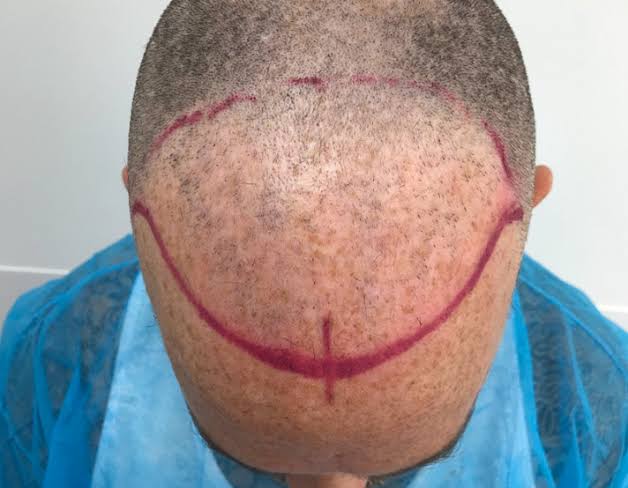
What Is A Corrective Hair Transplant?
A corrective hair transplant is performed to improve the outcome of a previous hair restoration procedure.
Surgical Complexity Note: Corrective surgery is significantly more complex than a primary hair transplant because donor resources may already have been partially exhausted.
The Core Objectives Include:
Repairing Unnatural Hairlines
Correcting improper angulation, harsh design lines, or pluggy grafts from previous outdated surgeries.
Improving Density
Strategically implanting new follicles into patchy or thinned-out areas that failed to grow properly.
Camouflaging Scars
Refining and covering visible linear scars from older FUT strip procedures or plug extraction marks.
Correcting Graft Placement
Extracting misplaced multi-hair grafts from the front line and redistributing them naturally.
Managing Donor Overharvesting
Carefully managing and utilizing alternative safe extraction points to preserve remaining hair resources.
Restoring Natural Appearance
The absolute ultimate goal—achieving proper facial framing, seamless symmetry, and complete undetectable natural results.
Common Problems We See
Unnatural Hairline Design
One of the most common issues.
- Straight hairlines
- Low hairlines
- Artificial appearance
- Incorrect temple angles
Poor Density
Patients may receive a large number of grafts but still achieve weak cosmetic coverage due to poor distribution.
Donor Overharvesting
Excessive extraction may create:
- Patchy donor appearance
- Visible thinning
- Uneven donor density
Poor Angulation
Incorrect graft direction can produce:
- Hair growing upward
- Unnatural styling
- Cosmetic dissatisfaction
Who Is A Good Candidate?
You may be a candidate if:
How Corrective Planning Differs
Corrective surgery requires evaluation of:
The goal is not perfection.
The goal is meaningful improvement while protecting future options.
What Improvements Are Possible?
Depending on the case:
Common Questions
Can A Bad Hair Transplant Be Fixed?
In many cases, yes. The extent of improvement depends on donor availability and the nature of the original problem.
Will More Grafts Be Needed?
Most corrective procedures require additional grafts, though some cases focus on redistribution and refinement.
Can Donor Damage Be Reversed?
Donor hair cannot be regenerated, but appearance can often be improved.