
How to Maintain Healthy Hair After Transplant
- Dr. Vikas Panthri
- May 11, 2026
- 1 Comment
A hair transplant can provide a long-term solution for people experiencing pattern hair loss, but the procedure itself is only one part of the journey. Proper hair care after a hair transplant plays an important role in protecting newly transplanted follicles, supporting healing, and maintaining the health of both transplanted and existing hair.
The first few weeks require particular attention because the transplanted grafts are still settling into the scalp. Over the following months, the focus shifts toward maintaining scalp health, following prescribed treatments, protecting hair from damage, and addressing ongoing hair loss.
Here is a practical guide on how to maintain healthy hair after a hair transplant.
Follow Your Hair Transplant Aftercare Instructions
Every patient heals differently, so the instructions provided by your hair transplant surgeon should be your first priority. Your surgeon may recommend specific instructions for washing, sleeping, medication, physical activity, and scalp care.
Avoid experimenting with home remedies or hair products immediately after the procedure. Even products that are normally safe may irritate a healing scalp.
Attend scheduled follow-up appointments so your surgeon can assess healing and identify any concerns early.
Be Gentle With Your Scalp During the Initial Healing Period
The scalp can remain sensitive, swollen, or slightly uncomfortable for several days after a transplant. The newly implanted grafts also need time to become secure.
Avoid scratching, rubbing, picking at scabs, or unnecessarily touching the transplanted area. Your surgeon may recommend a particular method of washing the scalp during the initial days.
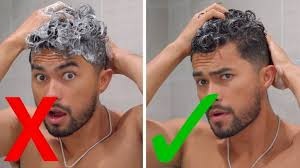
When washing becomes permissible, use gentle movements rather than vigorous scrubbing. Avoid directing strong water pressure directly onto the newly transplanted area unless your surgeon has specifically advised that it is safe.
Use the Recommended Shampoo
Hair transplant patients are often advised to use a mild shampoo during the early recovery period. The exact product and timing should be determined by the treating clinic.
A gentle shampoo can help keep the scalp clean without causing unnecessary irritation. Avoid immediately introducing products containing strong fragrances, harsh chemicals, or aggressive exfoliating ingredients unless your doctor approves them.
Once the scalp has completely healed, you can generally return to a normal hair-washing routine according to your surgeon’s recommendations.
Protect Your Scalp From the Sun
Sun exposure is an important consideration after a hair transplant. A healing scalp can be particularly sensitive to sunlight, and excessive exposure may cause irritation.
Follow your surgeon’s instructions regarding when you can safely wear a hat or use sunscreen. Do not apply sunscreen directly over freshly transplanted grafts unless your medical team has advised you to do so.
Once the scalp has healed, protecting it from excessive ultraviolet exposure remains a good long-term hair and scalp-care habit.
Avoid Strenuous Exercise Initially
Physical activity is beneficial for overall health, but strenuous exercise immediately after a hair transplant may not be appropriate.
Heavy workouts can increase sweating and may put unnecessary stress on the healing scalp. Activities involving significant friction, pressure, or risk of impact should also be avoided during the period recommended by your surgeon.
You can gradually return to your normal exercise routine once your doctor confirms that your scalp has healed sufficiently.
Avoid Smoking and Limit Alcohol During Recovery
Smoking can interfere with overall healing, while excessive alcohol consumption may not be appropriate during the immediate recovery period, particularly if you are taking prescribed medications.
Your surgeon may provide specific instructions about smoking and alcohol before and after surgery. Following these recommendations can support a smoother recovery.
Follow Your Prescribed Medications
Your surgeon may prescribe medications or recommend treatments to manage discomfort, inflammation, infection risk, or ongoing hair loss.
Take medications exactly as instructed. Do not start, stop, or change prescription hair-loss treatments without discussing the decision with your doctor.
It is also important to understand that a hair transplant does not necessarily stop the progression of hereditary hair loss in your original, non-transplanted hair. Your surgeon may therefore recommend additional medical treatment to help preserve existing hair.
Maintain a Balanced Diet
Healthy hair growth depends on adequate nutrition. After a hair transplant, maintaining a balanced diet can support general health and provide the nutrients required for normal hair growth.
Include a variety of:
- Protein-rich foods such as eggs, fish, dairy products, pulses, and lean meats
- Fresh fruits and vegetables
- Whole grains
- Nuts and seeds
- Healthy sources of fats
- Adequate fluids
Protein is particularly important because hair is primarily composed of a protein called keratin.
However, taking high-dose vitamins or supplements without identifying a deficiency is not always beneficial. If you suspect nutritional deficiencies, discuss appropriate testing and supplementation with your doctor.
Manage Stress and Get Adequate Sleep
Stress does not directly determine the success of every hair transplant, but chronic stress can affect the normal hair-growth cycle and overall wellbeing.
Prioritize adequate sleep and adopt healthy stress-management habits. Regular physical activity, relaxation techniques, hobbies, and maintaining a consistent sleep schedule can all contribute to general health.
During the early recovery period, your surgeon may also recommend specific sleeping positions to reduce pressure or accidental contact with the transplanted area.
Avoid Tight Hairstyles and Excessive Hair Manipulation
Once your hair begins growing, avoid hairstyles that consistently pull tightly on the hair. Repeated traction can contribute to hair damage and, in some cases, traction-related hair loss.
Be particularly gentle while brushing or combing. Avoid pulling through tangles aggressively, and choose a suitable comb or brush for your hair type.
The goal is not to avoid styling your hair permanently but to minimize unnecessary mechanical stress.
Be Careful With Hair Styling Products
After your scalp has healed, most people can gradually resume their usual hair-care routine. However, excessive use of styling products or heat can contribute to dryness and hair damage.
Try to limit:
- Excessive heat from blow dryers or styling tools
- Frequent chemical treatments
- Aggressive bleaching
- Very strong styling products
- Excessive brushing or combing
If you use a hair dryer, a lower heat setting can help reduce unnecessary thermal stress on the hair.
Understand the Hair Growth Timeline
One of the most important aspects of post-transplant care is having realistic expectations.
Transplanted hair does not usually appear fully grown immediately. Some transplanted hairs may shed during the early months following the procedure. This can be part of the normal hair-transplant process and is often referred to as shock loss or shedding.
New growth typically develops gradually. Visible improvement may take several months, while the final outcome can take approximately 9–12 months or longer, depending on the individual.
Do not judge the final result too early. Your surgeon can assess your progress during follow-up appointments and explain whether your recovery is proceeding as expected.
Continue Managing Existing Hair Loss
A common misconception is that a hair transplant permanently eliminates all future hair loss.
A transplant relocates hair follicles from one part of the scalp to another. It does not necessarily prevent genetically susceptible, non-transplanted hair from thinning in the future.
For this reason, long-term hair-loss management can be an important part of maintaining the overall appearance of the scalp. Depending on your condition, your doctor may recommend clinically appropriate treatments.
Never begin prescription hair-loss medication based solely on online recommendations. A dermatologist or hair transplant specialist should determine whether a treatment is suitable for you.
Keep Your Scalp Healthy
A healthy scalp provides a better environment for maintaining healthy hair. Pay attention to persistent problems such as excessive dandruff, itching, redness, scaling, or unusual inflammation.
Do not continuously change shampoos or apply home remedies to treat unexplained scalp problems. Persistent symptoms should be evaluated by a dermatologist.
Scalp hygiene should be consistent but gentle. Washing too aggressively is unnecessary, while inadequate scalp hygiene may allow excessive oil and buildup to accumulate.
Stay Hydrated
Adequate hydration is another simple component of a healthy lifestyle. While drinking more water alone cannot guarantee hair growth, maintaining proper hydration supports normal body functions and overall wellbeing.
Combine adequate fluid intake with a balanced diet, regular sleep, and other healthy lifestyle habits rather than relying on a single factor to improve hair health.
Avoid Unproven Hair-Growth Remedies
The internet is full of oils, supplements, serums, and home remedies claiming to dramatically accelerate hair growth after transplantation.
Be cautious about such claims. Natural does not automatically mean safe, and supplements are not a substitute for medically indicated treatment.
Before applying any new product to a recently transplanted or sensitive scalp, consult your treating doctor. This is especially important during the early healing period.
Know When to Contact Your Doctor
Some redness, swelling, tenderness, and scabbing can occur during normal recovery. However, unusual or worsening symptoms should not be ignored.
Contact your hair transplant clinic if you experience symptoms such as:
- Increasing or severe pain
- Significant swelling that is worsening
- Persistent bleeding
- Pus or unusual discharge
- Fever
- Severe redness or warmth
- Sudden or unexpected changes in the transplanted area
Your medical team can determine whether these symptoms require treatment or further evaluation.
Hair Transplant Aftercare Is a Long-Term Process
The success of a hair transplant should not be viewed only in terms of the surgical procedure. Long-term hair health involves consistent scalp care, appropriate nutrition, protection from excessive hair damage, management of ongoing hair loss, and regular medical follow-up when necessary.
During the first few weeks, protecting the transplanted grafts and following post-operative instructions should be the priority. As healing progresses, the focus can shift toward maintaining scalp health and protecting both transplanted and existing hair.
Conclusion
Knowing how to maintain healthy hair after a hair transplant can help you make the most of your procedure and maintain your overall hair health. Be gentle with your scalp during recovery, follow your surgeon’s instructions, maintain a balanced diet, protect your scalp from excessive sun exposure, avoid unnecessary hair damage, and continue appropriate treatment for existing hair loss.
Most importantly, remember that hair transplantation is a gradual process. Results develop over several months, and individual recovery times can vary. Regular follow-up with a qualified hair transplant specialist or dermatologist can help ensure that your recovery and long-term hair-care plan are appropriate for your needs.

1 Comment
A WordPress Commenter
October 17, 2023Hi, this is a comment.
To get started with moderating, editing, and deleting comments, please visit the Comments screen in the dashboard.
Commenter avatars come from Gravatar.