
Understanding Hair Loss Causes & Treatment
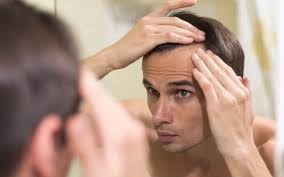
Hair loss is a common concern that can affect men and women at different stages of life. Losing a few strands of hair every day is normal, but excessive shedding, visible thinning, widening of the hair part, or receding hairlines may indicate an underlying condition that requires attention.
Understanding the causes of hair loss is the first step toward choosing an appropriate treatment. Hair loss is not a single condition, and there is no universal treatment that works for everyone. The right approach depends on why the hair is falling out, how quickly it is progressing, the condition of the scalp, and whether the hair follicles are still capable of producing healthy hair.
This guide explains the common causes of hair loss, how it is diagnosed, and the treatment options that may be considered.
How Much Hair Loss Is Normal?
It is normal to lose some hair every day as part of the natural hair-growth cycle. Hair follicles continuously move through phases of growth, transition, and resting before the hair eventually sheds.
Concern generally arises when shedding becomes noticeably excessive or when there is progressive thinning or loss of density.
Signs that may warrant professional evaluation include:
- Noticeable thinning over the scalp
- A widening hair part
- Receding hairline
- Increasingly visible scalp
- Bald patches
- Excessive hair on pillows, clothing, or in the shower
- Persistent itching, scaling, redness, or inflammation
- Sudden or rapid hair loss
Early evaluation can be particularly useful because some forms of hair loss respond better to treatment when addressed promptly.
Common Causes of Hair Loss
1. Androgenetic Alopecia
Androgenetic alopecia, commonly known as male-pattern or female-pattern hair loss, is one of the most common causes of progressive hair thinning.
In genetically susceptible individuals, hair follicles gradually become smaller and produce finer, shorter hairs. In men, this commonly appears as a receding hairline and thinning around the crown. Women may experience diffuse thinning, particularly around the central scalp and widening of the hair part.
Because this condition is influenced by genetics and hormones, it tends to be progressive without appropriate management.
2. Telogen Effluvium
Telogen effluvium is a form of temporary or prolonged diffuse hair shedding that can occur after a significant physical or emotional stressor.
Potential triggers include:
- High fever or significant illness
- Major surgery
- Rapid weight loss
- Severe stress
- Significant nutritional deficiencies
- Hormonal changes
- Certain medications
Hair shedding may become noticeable several weeks or months after the triggering event. In many cases, identifying and addressing the underlying cause is an important part of treatment.
3. Alopecia Areata
Alopecia areata is an autoimmune condition that can cause sudden, patchy hair loss. It may affect the scalp as well as other areas of the body.
Some people develop small, round bald patches, while others can experience more extensive hair loss.
Because alopecia areata has different patterns and may require medical treatment, sudden patchy hair loss should be evaluated by a dermatologist.
4. Nutritional Deficiencies
Hair growth can be affected when the body does not receive adequate nutrients.
Deficiencies involving iron and certain other nutrients may contribute to hair shedding in susceptible individuals. Restrictive diets, poor nutrition, malabsorption, and certain medical conditions can increase the risk of nutritional deficiencies.
However, taking supplements without establishing a deficiency is not necessarily helpful. A doctor may recommend appropriate blood tests when the medical history and symptoms suggest a nutritional cause.
5. Hormonal and Medical Conditions
Hormonal changes can affect the hair-growth cycle. Conditions involving the thyroid, reproductive hormones, or other endocrine systems may contribute to hair loss.
Hair loss can also occur alongside certain chronic illnesses or as a consequence of medical treatments.
When hair loss is accompanied by symptoms such as unexplained weight changes, fatigue, menstrual irregularities, skin changes, or other systemic symptoms, medical evaluation is particularly important.
6. Scalp Infections and Inflammatory Conditions
A healthy scalp is important for healthy hair growth. Fungal infections, inflammatory scalp conditions, and certain dermatological disorders can cause shedding, breakage, or localized hair loss.
Symptoms such as persistent itching, redness, scaling, pain, crusting, or discharge should not be ignored.
Some inflammatory conditions can damage hair follicles permanently if left untreated, making early diagnosis important.
7. Traction and Hair-Care Practices
Repeatedly pulling the hair into tight hairstyles can cause traction alopecia. Tight ponytails, braids, extensions, and other hairstyles that create continuous tension may damage follicles over time.
Frequent chemical processing, excessive heat, aggressive brushing, and other forms of mechanical or chemical stress can also contribute to hair breakage.
Changing damaging hair-care habits early may help prevent further problems.
How Is Hair Loss Diagnosed?
A correct diagnosis is essential before selecting a treatment.
During a consultation, a dermatologist or hair-loss specialist may ask about:
- When the hair loss began
- Whether it is sudden or gradual
- Family history of hair loss
- Recent illness, surgery, stress, or weight changes
- Diet and nutritional history
- Medications and supplements
- Hormonal or medical conditions
- Hair-care and styling practices
- Previous hair-loss treatments
The scalp and hair may also be examined closely. In some cases, blood tests or additional investigations may be recommended to identify nutritional, hormonal, autoimmune, or other underlying causes.
The objective is to determine whether the hair loss is caused by a temporary trigger, progressive follicular miniaturization, inflammation, scarring, or another condition.
Hair Loss Treatment Options
Treatment should be selected according to the underlying diagnosis rather than simply the amount of hair being lost.
1. Medical Treatment
Certain forms of pattern hair loss may respond to evidence-based medications. For example, topical minoxidil is commonly used for androgenetic alopecia.
Other prescription treatments may be appropriate for selected patients, depending on factors such as sex, age, medical history, and reproductive considerations.
Prescription medication should be used under medical guidance because treatment suitability and potential side effects vary between individuals.
2. Treating Nutritional Deficiencies
If tests identify a nutritional deficiency contributing to hair loss, correcting that deficiency may be part of the treatment plan.
This might involve dietary changes or supplementation recommended by a healthcare professional.
It is important to avoid assuming that every case of hair loss is caused by a vitamin deficiency. Unnecessary high-dose supplements may not improve hair growth and can sometimes cause health problems.
3. PRP Therapy for Hair Loss
Platelet-rich plasma (PRP) therapy is a minimally invasive treatment that may be considered for certain types of hair loss, particularly androgenetic alopecia.
During PRP treatment, a small amount of the patient’s blood is processed to concentrate platelets. The platelet-rich portion is then injected into selected areas of the scalp.
Research suggests that PRP may improve hair density in some patients, although treatment protocols vary and responses are not identical for everyone.
PRP is generally intended to support existing follicles rather than create completely new follicles in areas where follicles are permanently absent.
4. Hair Transplantation
A hair transplant may be considered when there is sufficient donor hair and the pattern of hair loss is suitable.
During transplantation, hair follicles are taken from a donor area, usually the back or sides of the scalp, and placed into areas affected by hair loss.
Common techniques include FUE (Follicular Unit Extraction) and FUT (Follicular Unit Transplantation).
A hair transplant can provide long-term coverage, but careful planning is essential. The surgeon must consider the available donor supply, hairline design, current hair loss, and potential future progression.
5. Low-Level Light Therapy
Low-level light therapy is another treatment that has been studied for certain forms of hair loss. It uses low-intensity light to potentially influence cellular activity around hair follicles.
Its effectiveness can vary, and it may not be suitable for every type of hair loss. Professional guidance can help determine whether it is appropriate.
6. Lifestyle and Hair-Care Changes
Lifestyle changes cannot reverse every form of hair loss, but they can support overall hair and scalp health.
Consider:
- Eating a balanced, protein-rich diet
- Avoiding crash diets
- Managing chronic stress
- Getting adequate sleep
- Avoiding tight hairstyles
- Limiting excessive heat and chemical treatments
- Using gentle hair-care practices
- Treating scalp conditions promptly
These measures are particularly useful when combined with appropriate medical treatment.
Can Hair Loss Be Prevented?
Not all hair loss can be prevented. Genetic factors, autoimmune disorders, aging, and certain medical conditions may cause hair loss despite healthy lifestyle habits.
However, some forms of hair loss can potentially be reduced or managed by addressing triggers early.
Avoiding unnecessary hair damage, maintaining adequate nutrition, treating medical conditions, and seeking professional advice when significant shedding begins can all be beneficial.
When Should You See a Hair Loss Specialist?
You should consider professional evaluation if hair loss is:
- Sudden or rapidly progressing
- Occurring in distinct patches
- Associated with scalp inflammation or pain
- Accompanied by significant itching or scaling
- Associated with other unexplained symptoms
- Causing noticeable thinning over time
- Continuing despite changes in hair-care practices
Early diagnosis can make a significant difference for certain conditions, particularly those where prolonged inflammation or follicular damage can lead to permanent hair loss.
Hair Loss Treatment Should Be Personalized
One of the biggest mistakes people make is choosing treatment based solely on what worked for someone else.
For example, PRP may be appropriate for one person but unnecessary or unsuitable for another. Similarly, a hair transplant may provide excellent results for someone with stable pattern baldness but may not be appropriate for a person experiencing unexplained active hair shedding.
The cause, severity, duration, scalp condition, donor hair availability, medical history, and individual goals all need to be considered.
Conclusion
Understanding hair loss causes and treatment is essential for making informed decisions about hair restoration. Hair loss can result from genetic factors, hormonal changes, nutritional deficiencies, illness, stress, autoimmune conditions, scalp disorders, medications, and damaging hair-care practices.
The most effective approach begins with an accurate diagnosis. Depending on the cause, treatment may include medical therapy, nutritional correction, PRP therapy, lifestyle changes, scalp treatment, or hair transplantation.
If you are experiencing persistent or significant hair loss, avoid relying solely on internet remedies or unverified supplements. Consult a qualified dermatologist or hair restoration specialist for an individualized assessment. Identifying the cause early can help determine the most appropriate treatment and improve the chances of preserving healthy hair.